Running a restaurant in Florida is exciting — and intensely competitive. Between the tourism traffic, the local regulars, and the endless stream of new spots opening every month, standing out takes more than great food. It takes smart marketing.
Whether you’re in Miami, Jacksonville, Orlando, or a smaller Florida city, the restaurants that consistently pack their tables have one thing in common: they show up online before a customer ever walks through the door. In this guide, we’ll break down six proven strategies for restaurant marketing in Florida that actually bring people in — and keep them coming back.
1. Your Google Business Profile Is Your Most Powerful (Free) Marketing Tool
When someone searches “restaurants near me” or “best Cuban food in Miami,” Google doesn’t show them your website first — it shows them Google Business Profiles. If yours isn’t fully set up, you’re invisible to a massive pool of hungry, ready-to-order customers.
Here’s what a fully optimized profile looks like:
- Photos updated weekly — restaurants with 100+ photos get 520% more calls than those with no photos, according to Google’s own data
- Hours, address, and phone number 100% accurate — wrong hours are one of the top reasons customers leave a one-star review
- Menu linked or uploaded directly in your profile
- Responding to every review — yes, even the bad ones, and especially the good ones
- Google Posts active — treat these like mini social media updates right inside Google search results
If you haven’t claimed your profile yet, go to business.google.com and do it today. It’s free and it’s the single highest-return action any Florida restaurant can take.
2. Instagram and Facebook: Show the Food, Tell the Story
Florida’s restaurant scene is visually driven. Tourists scroll Instagram before they book a table. Locals share their meals before they finish eating. If your social media hasn’t been updated since last month, you’re losing customers to the restaurant down the street that posts every day.
You don’t need a professional photographer for this. You need consistency and a phone with a decent camera.
What to post:
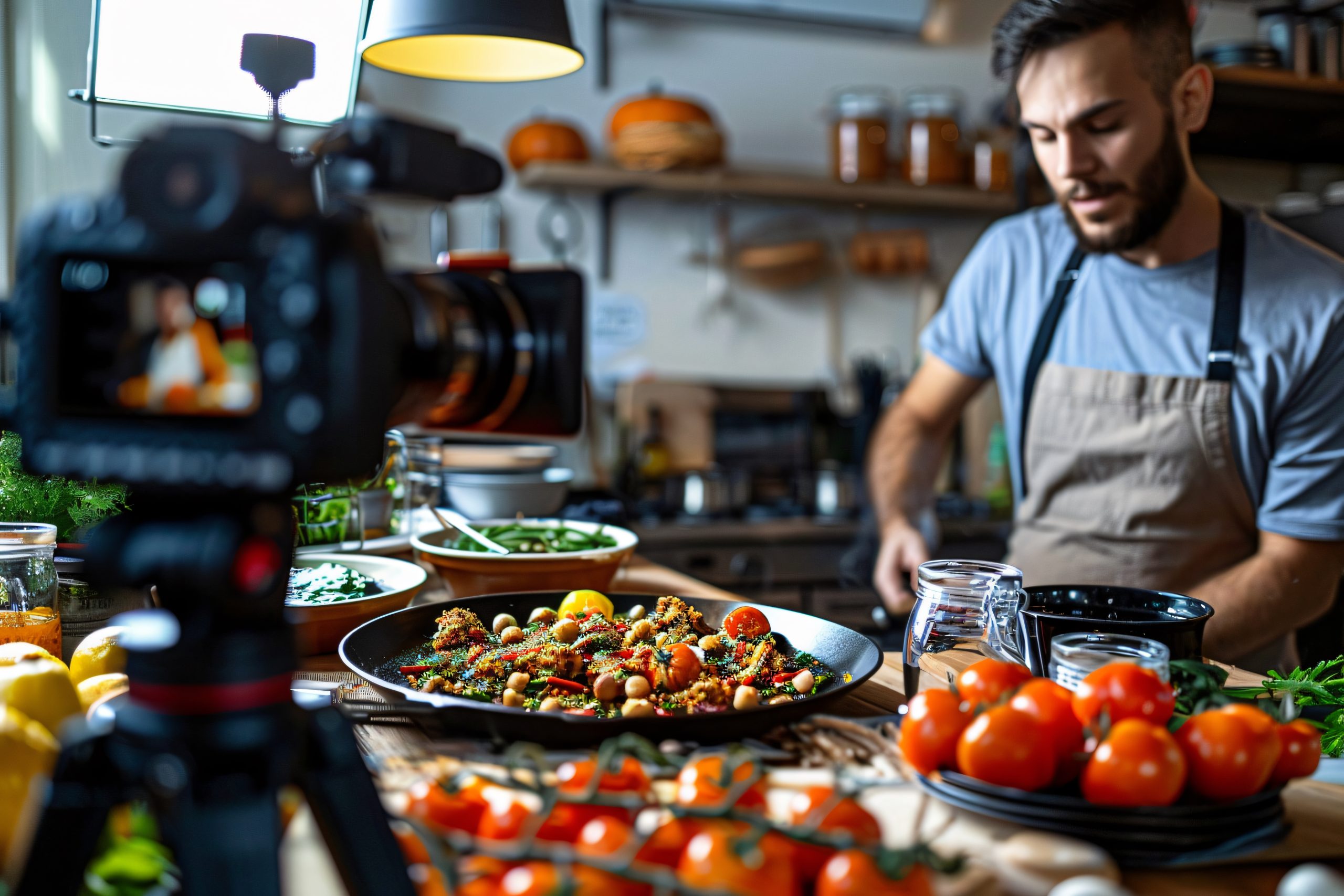
- Behind-the-scenes kitchen videos (Reels get 3–5x more reach than static posts)
- New menu items and daily specials with close-up shots
- Customer photos and tagged posts — always repost these with permission
- “Meet the team” content — people eat at restaurants they feel connected to
- Stories polls: “Which new dish should we add?” drives engagement and gives you real feedback
How often: Aim for 5 posts per week across Instagram and Facebook. Post Reels at least 3 times a week — they are the fastest way to reach new audiences who’ve never heard of you.
The goal isn’t just followers. It’s turning scrollers into seated guests.
3. Online Reviews: The Word of Mouth That Never Sleeps
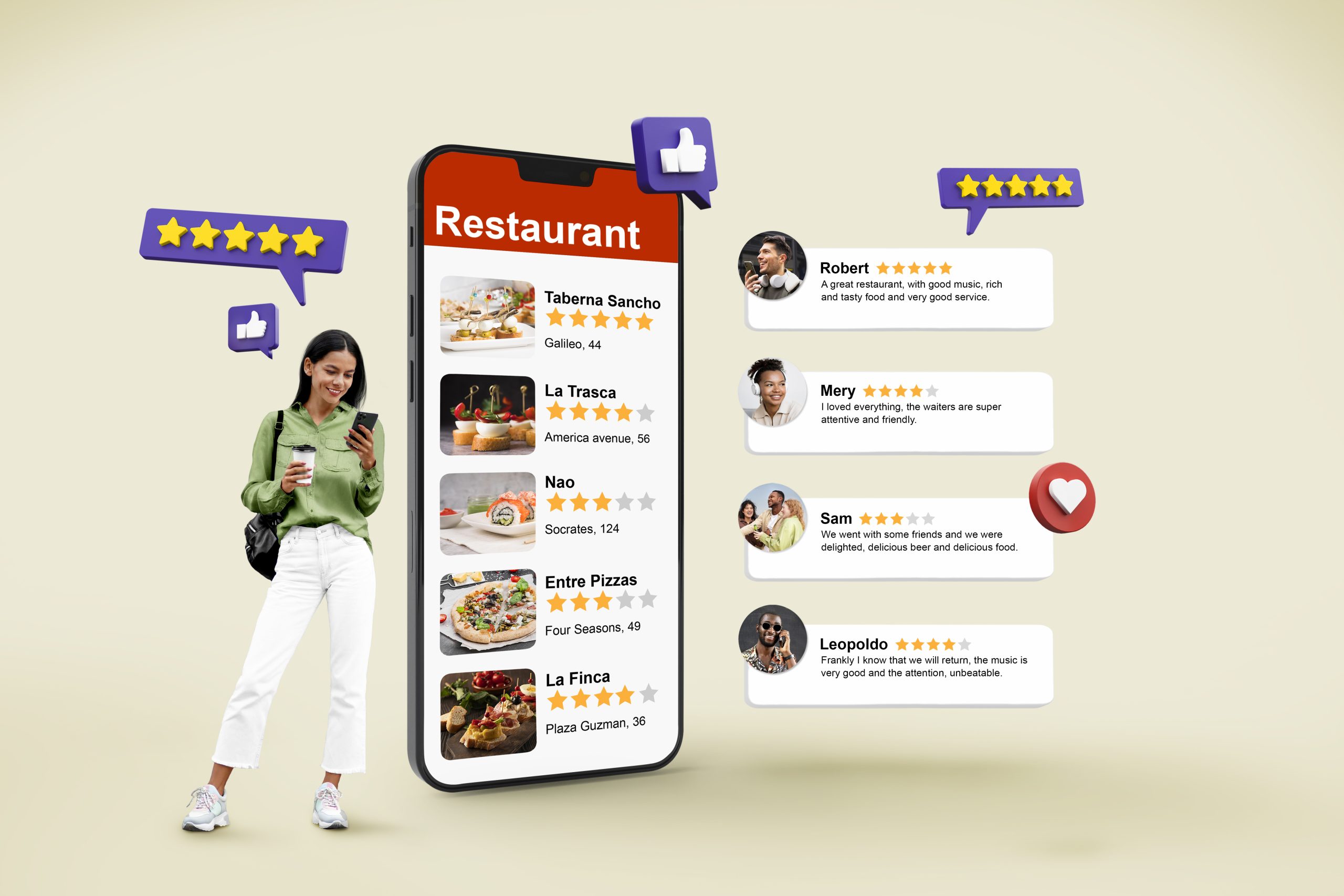
A 2024 study found that 94% of diners check online reviews before choosing a restaurant. In competitive markets like Miami and Orlando, a 4.2-star rating will consistently lose to a 4.7-star rating — even if your food is better.
The restaurants winning on reviews aren’t luckier. They’re more intentional.
How to get more reviews without being pushy:
- Train your staff to mention reviews naturally at the end of a positive interaction: “If you enjoyed your meal, we’d love it if you shared your experience on Google — it helps us a lot.”
- Add a QR code on your receipt or table tent that links directly to your Google review page
- Send a follow-up text or email to customers who opted into your list (more on that below)
- Respond to every review within 24 hours — Google ranks businesses higher when owners are actively engaged
One new five-star review per week, over six months, can meaningfully move your average rating and your local search ranking.
4. Email and Text Marketing: Your Direct Line to Loyal Customers
Social media algorithms decide who sees your posts. Email and text go directly to the customer — no middleman, no algorithm.
Florida restaurants that use email and SMS marketing see repeat visit rates up to 40% higher than those who don’t. Here’s how to start:
Build your list:
- Offer a small incentive for signing up: “Join our list and get a free appetizer on your next visit”
- Collect emails at checkout, on your website, and through your Google Business Profile
- Use a simple free tool like Mailchimp or Klaviyo to manage the list
What to send:
- Weekly specials and new menu items (keep it short — one photo, one sentence, one link)
- Exclusive offers for subscribers: “This weekend only — 20% off for our VIP list”
- Birthday offers — automatically trigger a discount email on a subscriber’s birthday
- Event announcements: live music nights, private dining, holiday menus
Even a list of 200 local customers is worth more than 10,000 Instagram followers if those 200 people come in monthly.
5. A Website That Works as Hard as Your Staff
Your website is your digital front door. If it takes more than 3 seconds to load, is hard to read on a phone, or buries the menu behind three clicks — people leave.
For Florida restaurant websites in 2026, the non-negotiables are:
- Mobile-first design — over 75% of restaurant searches happen on a phone
- Menu visible within one click from the homepage — ideally as a webpage, not a PDF
- Online reservation or ordering link above the fold (don’t make them scroll to book)
- Clear address with an embedded Google Map
- Real photos of your food and space — stock photos kill trust instantly
- Fast load time — test yours free at pagespeed.web.dev
Your website doesn’t need to be fancy. It needs to answer three questions in under 10 seconds: What do you serve? Where are you? How do I book or order?
6. Paid Ads: The Fastest Way to Fill Tables When You Need It
Organic marketing (SEO, social media, reviews) builds momentum over time. Paid advertising fills tables this weekend.
For Florida restaurants, the two highest-return paid channels are:
Google Ads (Search) When someone types “best seafood restaurant Miami” or “Italian restaurant near me open now,” a Google Search ad puts you at the very top of results. You only pay when someone clicks. A well-run campaign targeting high-intent local searches typically costs $200–$500/month for a small restaurant and can generate 30–60 new reservation inquiries monthly.
Facebook and Instagram Ads Ideal for promoting specific events, limited-time menus, or new openings. You can target by zip code, age, interests (people who follow food accounts), and even people who have visited your competitors’ pages. A $15–$20/day budget in a targeted local radius can reach thousands of potential customers.
The key is having a clear goal before you run ads — more reservations, more delivery orders, or a specific event — and tracking the results so you know what’s working.
The Bottom Line: Consistency Wins
The restaurants thriving in Florida’s competitive market aren’t necessarily spending more on marketing — they’re showing up more consistently. A fully optimized Google Business Profile, active social media, a growing review count, a simple email list, and a fast mobile website will outperform any one-time marketing push every time.
Start with what you can do this week. Claim your Google Business Profile. Post a Reel. Ask three happy customers for a review. Small, consistent actions compound into real results over 60–90 days.
Ready to take your restaurant’s marketing to the next level?
At Origin Marketing Group, we help Florida restaurants build digital strategies that actually fill tables — from social media management and Google Ads to full brand audits. We work with independent restaurants, family-owned spots, and growing hospitality brands across Florida.
Book your free 30-minute strategy consultation →
No pressure, no hard sell — just a real conversation about where your restaurant is now and where it could be.
Origin Marketing Group is a boutique marketing agency serving entrepreneurs and small businesses across Florida. We specialize in branding, digital marketing, retail readiness, and growth strategy.